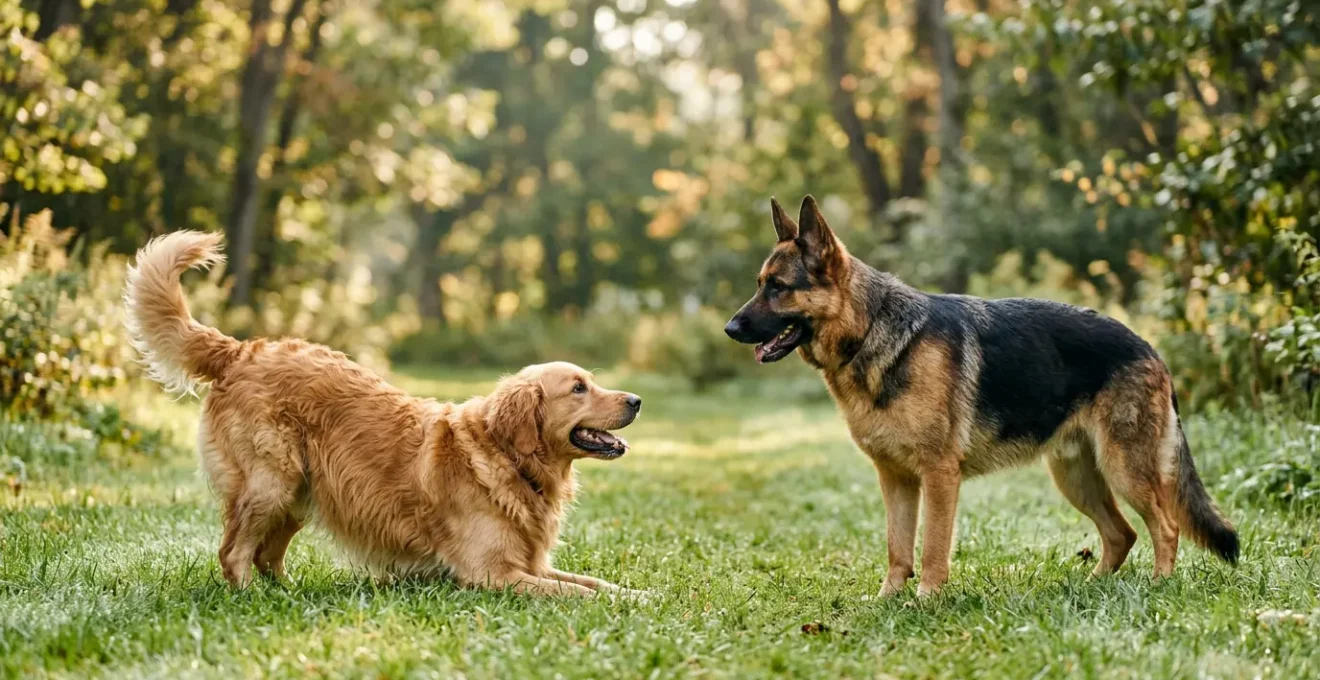
Contrary to popular belief, a dog’s “calming signals” are not passive signs of stress but urgent, time-sensitive alerts. This guide re-frames them as non-negotiable action triggers for owners. The key to preventing a bite isn’t just recognizing a yawn or a lip lick; it’s executing the correct human intervention protocol the second you see one. Ignoring these early warnings, or worse, punishing them, dismantles your dog’s communication ladder and creates an animal that bites without warning.
The scene is all too common: a child is joyfully roughhousing with the family dog. The dog yawns, licks its lips, and turns its head away. To the untrained eye, these are dismissible, even tired behaviors. To a safety expert, these are silent, screaming alarms. Most owners believe that understanding body language is a passive activity of observation. They collect a mental list of “calming signals” but fail to connect them to the most critical component: their own immediate, required action.
This failure in understanding is the root cause of countless preventable bites. The conventional wisdom to “watch your dog” is dangerously incomplete. It’s not about watching; it’s about intercepting. A bite is rarely a bolt from the blue. It is the final, desperate shout of a dog whose previous whispers, pleas, and warnings were ignored. This is a communication breakdown, and the responsibility falls squarely on the human in the equation.
This guide abandons the passive dictionary approach. We will treat these signals not as canine trivia, but as critical alerts in a safety system. Your role is not a pet owner; it is a safety officer. You will learn to identify key alerts, understand the imminent danger they predict, and execute a specific intervention protocol to de-escalate conflict and prevent bites before the thought of one even solidifies. We will move from signal recognition to emergency response, ensuring the safety of every person and animal in your home.
To navigate this critical subject, we will dissect the most misunderstood signals and provide clear, actionable protocols. This guide is structured to build your skills from identifying subtle cues to managing high-stakes situations safely.
Summary: Decoding Canine Warning Signs to Ensure Playtime Safety
- Why Is Your Dog Yawning When He Isn’t Tired?
- Play Bow or Warning: How to Tell the Difference in 3 Seconds?
- The Mistake of Punishing a “Guilty” Look That Is Actually Fear
- How to Use “Lip Licking” to Calm Your Own Dog Down?
- When to Intervene: The “Freeze” Signal Most Owners Miss
- Why Your German Shepherd Follows You to the Bathroom (and Is It Anxiety)?
- Why Scolding a Growl Creates a Dog That Bites Without Warning?
- How to Manage Resource Guarding in Multi-Dog Households Safely?
Why Is Your Dog Yawning When He Isn’t Tired?
A yawn is the first and most frequently misinterpreted signal. While dogs do yawn when tired, a yawn in a social or slightly tense situation is an entirely different communication. It’s not a sign of boredom; it’s a de-escalation trigger. When a dog yawns during an interaction—such as a child getting too close or during a vet visit—it is actively trying to calm itself and signal to others that it feels uncomfortable or anxious. It’s a self-soothing mechanism and a white flag intended to say, “This situation is a bit much for me, let’s all calm down.”
Recognizing the context is paramount. A yawn upon waking up is physiological. A yawn while a toddler hugs your dog’s neck is a clear signal of stress. This is your first cue to intervene. Ignoring this early, subtle sign teaches the dog that its attempts at peaceful communication are ineffective, forcing it to escalate to more obvious signals later.
There are several distinct types of yawns, and as a safety officer, your job is to differentiate them:
- Stress Yawn: This is your primary concern. It occurs during unwanted interactions, like being cornered or petted too aggressively. It is often accompanied by other signals like lip licking or turning away.
- Anticipation Yawn: This happens before an exciting event, like a walk. It indicates high emotional arousal, which can be positive but still needs monitoring as high arousal can quickly tip into reactivity.
- Displacement Yawn: When a dog is confused or conflicted (e.g., you gave a command it doesn’t understand), it may yawn. This is a way to diffuse its own internal pressure.
- Empathetic Yawn: Some dogs will yawn after their human yawns, which is believed to indicate a strong social bond. This is the only type of social yawn that is not a stress indicator.
Your intervention protocol for a stress yawn is simple: create space. Calmly call the dog away from the source of stress or gently guide the person (especially a child) away from the dog. Acknowledging and responding to this first-level alert reinforces to your dog that you are a reliable leader who understands its needs.
Play Bow or Warning: How to Tell the Difference in 3 Seconds?
The play bow—front end down, back end in the air—is universally seen as an invitation to play. And most of the time, it is. However, a slight variation of this posture can be a severe warning sign, and the inability to tell the difference can lead directly to conflict. A true play bow is part of a fluid, bouncy, and reciprocal dialogue. A “false” or warning bow is a moment of tense calculation before a potential explosion. You have about three seconds to make the right call.
A genuine play bow is an honest signal. Its function is to communicate that any subsequent rough behaviors like chasing or mouthing are purely for play. It’s a canine meta-communication for “I’m not a threat.” The body language is loose, the tail is often wagging broadly, and the dog may bark excitedly. The bow itself is brief and often followed by a bouncy leap forward or backward to entice the play partner.
A warning bow, by contrast, is stiff and prolonged. The dog’s body is rigid, the mouth is often closed, and the eyes are fixed in a hard stare. Instead of a happy bounce, the bow is followed by a freeze. This is not an invitation; it is a pre-attack assessment. The dog is coiled like a spring, often guarding a resource like a toy or food, and is signaling that advancing further will have consequences. The key differentiator is the combination of rigidity and duration.
This table breaks down the critical differences. Your immediate intervention is required if you observe the characteristics in the right-hand column.
| Signal Type | True Play Bow | False/Warning Bow |
|---|---|---|
| Body Movement | Bouncy, brief, relaxed | Stiff, prolonged, tense |
| Facial Expression | Soft mouth and eyes, relaxed | Hard stare, closed mouth |
| Duration | Quick, 1-2 seconds | Extended hold, 3+ seconds |
| Follow-up Action | Bounds forward playfully | Freezes and stares |
| Overall Energy | Loose, wiggly body | Rigid, controlled posture |
If you see a stiff, prolonged bow with a hard stare, your protocol is to de-escalate immediately. Do not approach the dog. Instead, use a cheerful, high-pitched voice to call the other dog or person away. Tossing a high-value treat away from the tense dog can break the focus and create a safe distance. Misreading this signal is not an option.
The Mistake of Punishing a “Guilty” Look That Is Actually Fear
One of the most damaging misinterpretations in the human-dog relationship is punishing the “guilty look.” An owner comes home to a shredded cushion, sees the dog with lowered head, tucked tail, and averted eyes, and assumes the dog “knows what it did wrong.” This is a fundamental error. The dog is not displaying guilt; it is displaying a suite of appeasement gestures in direct response to the owner’s angry posture, tone, and energy.
The dog is reacting to your immediate anger, not to a past transgression. This “guilty” look is a desperate attempt to de-escalate a perceived threat—you. By punishing this behavior, you are punishing the dog for trying to communicate peacefully. You are teaching it that when a human is angry, attempting to appease them results in punishment. This breaks down trust and can lead a dog to believe that its only remaining option in a conflict is aggression.
As the K9 of Mine Editorial Team points out when discussing viral videos of “guilty” dogs, the reality is far from what owners assume.
There’s a hefty collection of YouTube videos showing guilty-looking dogs after a dive into the kitchen trash can, but really the dogs are simply using their calming signals to de-escalate the situation, since they can tell you’re upset with them.
– K9 of Mine Editorial Team, 15 Dog Calming Signals: Signs Your Dog is Stressed
Instead of punishing this look, a safety officer should recognize it as a communication of fear and respond in kind. Your protocol is to mirror these appeasement signals back to the dog to show you are not a threat. This involves turning your body sideways, avoiding direct eye contact, softening your facial expression, and speaking in a low, calm voice. By doing this, you show the dog that you understand its signal and that you are a safe, predictable leader, even when something has gone wrong.
How to Use “Lip Licking” to Calm Your Own Dog Down?
Just as dogs use signals to communicate with us, we can use a modified version of their signals to communicate with them. Lip licking (or tongue-flicking) is a primary calming signal dogs use when stressed. A quick flick of the tongue is the equivalent of a human saying, “I’m a little stressed out here.” But what if you could use this same language to de-escalate your dog’s anxiety? You can. By consciously mimicking certain calming signals, you can become a source of stability for your dog.
This is not about becoming a dog; it’s about using cross-species communication to build trust. When your dog is anxious, performing a slow, deliberate lick of your own lips can signal to your dog that you are calm and not a threat. This is especially effective when combined with other human-centric calming signals, such as slow blinking, yawning, and turning your head or body away. These actions directly counter the confrontational body language (staring, facing head-on) that humans often use without thinking, which can escalate a dog’s fear.
Case Study: The Feral Dog and the Power of Human Signals
The effectiveness of this technique was demonstrated with “Sky,” a dog who had been living as a feral in a cemetery for months. Rescuers were unable to get near her. A breakthrough occurred when a rescuer stopped trying to chase or lure her and instead sat on the ground, legs stretched out, avoiding eye contact and showing relaxed body language. The rescuer used a phone camera to monitor Sky’s approach without staring. After four days of this consistent, non-threatening communication, Sky willingly allowed herself to be captured. The human’s use of calming signals was the key to breaking through her fear.
Your goal is to build a toolkit of human-led calming signals to use in tense moments. This is your active de-escalation protocol when you see your dog’s stress levels rising.
Your Human Calming Signal Toolkit: A 5-Step De-escalation Plan
- The Slow Lick: When your dog is anxious, deliberately and slowly lick your own lips. This is a clear, non-verbal sign that you are relaxed and in control, contrasting with a dog’s fast, nervous tongue-flick.
- Soft Eyes & Slow Blinks: Hard, direct stares are threatening. Soften your gaze and perform slow, deliberate blinks. This communicates safety and is a powerful way to reduce tension from a distance.
- The “Fake” Yawn: Perform a noticeable, slightly exaggerated yawn. In the canine world, this is a potent signal of non-aggression. Use it when entering a room where the dog is tense or during a stressful event like a thunderstorm.
- The Head Turn: If your dog is fixated on something or showing signs of fear, gently and slowly turn your own head to the side. This breaks the confrontational line of sight and signals that you are not focused on the threat.
- The Quiet Voice: Your tone is a tool. Immediately lower the volume and pitch of your voice during a tense situation. A calm, quiet voice is far more effective at de-escalating a dog’s anxiety than a sharp command.
When to Intervene: The “Freeze” Signal Most Owners Miss
Of all the calming signals, the “freeze” is the most critical and the one most tragically missed. It is the final, silent warning before a bite. A dog that suddenly stops all movement, becomes rigid, and holds its breath is not calm; it is a loaded weapon. This behavior can last for a fraction of a second or for several long, tense moments. It often occurs right after a series of lower-level signals—yawning, lip licking, head turning—have been ignored. The freeze signifies that the dog has exhausted its peaceful options and is now in a state of high alert, deciding between fight or flight.
Recognizing this signal is non-negotiable for anyone who lives with or interacts with dogs. It is the last exit on the highway to a bite. The numbers are stark, with an estimated 4.5 million dog bites occurring annually in the U.S., many of which are preceded by subtle cues that were simply not understood. The freeze is the loudest of these subtle cues. It is the dog’s final, desperate plea for the situation to stop immediately.
When you see a dog freeze—whether it’s over a toy, when a child approaches, or during play with another dog—you are in what can be called the “golden second.” Your actions in that single moment will determine the outcome. Your intervention protocol must be swift, calm, and decisive. Panic will only escalate the situation. Shouting or rushing toward the dog can trigger the very attack you’re trying to prevent. The goal is to break the dog’s hyper-focus without adding more pressure.
Here is your emergency intervention plan for when you witness a freeze:
- STOP: Freeze your own body immediately. Any sudden movement from you can be perceived as a threat and trigger a reaction.
- DISTRACT VERBALLY: Use a sudden, cheerful, and upbeat sound. Calling the dog’s name in a happy tone or making a light, novel noise (like a smooching sound) can break the trance-like state without being threatening.
- REDIRECT PHYSICALLY: Toss a handful of high-value treats *away* from the dog and the trigger. This forces the dog to turn its head and body to follow the food, instantly breaking the fixation and creating space.
- REMOVE CALMLY: Once the dog’s focus is broken and it has moved toward the treats, calmly call it to you and lead it away from the situation with a leash or by luring it into another room.
After the incident is over, make a note of what triggered the freeze. This is critical data for future management and training to prevent it from happening again.
Why Your German Shepherd Follows You to the Bathroom (and Is It Anxiety)?
The “Velcro dog” phenomenon, where a dog follows its owner everywhere, including the bathroom, is common in many breeds. In guardian and herding breeds like the German Shepherd (GSD), this behavior is often rooted in their genetics. They are bred to be attentive and protective of their “flock.” However, there is a fine line between a normal breed trait and problematic separation anxiety. As a safety officer, you must be able to distinguish between relaxed companionship and hyper-vigilant distress.
A GSD calmly following you and then lying down contentedly while you’re in the bathroom is likely just performing its ingrained duty. The body language is key: a relaxed posture, soft eyes, and a loose, wagging tail indicate a secure dog. However, if the following is accompanied by panting, pacing, whining, or frantic attempts to push through the door, you are witnessing anxiety-driven hyper-attachment. This is not cute; it’s a sign of a dog in distress, unable to cope with even momentary separation. This underlying anxiety can be a precursor to other problematic behaviors.
This is particularly concerning in breeds like the GSD. According to data from the American Veterinary Medical Association (AVMA), German Shepherds are among the breeds most frequently involved in serious biting incidents. While this is not a condemnation of the breed, it underscores that their combination of power, loyalty, and potential for anxiety requires diligent and informed ownership. Unaddressed anxiety can lead to protective aggression or reactivity.
Use the following checklist to assess whether your GSD’s following behavior is a normal breed trait or a red flag for anxiety that requires professional intervention.
| Behavior | Normal GSD Trait | Anxiety Indicator |
|---|---|---|
| Following to bathroom | Relaxed body, wagging tail | Panting, pacing, whining |
| Response when blocked | Settles nearby calmly | Scratching at door, distress |
| During separation | Rests comfortably alone | Destructive behavior, excessive vocalization |
| Body language while following | Loose, happy demeanor | Tense, hypervigilant posture |
| Sleep patterns | Normal 12-14 hours | Restless, frequent waking |
If your dog displays multiple indicators from the “Anxiety Indicator” column, the behavior is no longer just a breed quirk. It’s a cry for help. The intervention protocol here is to begin building your dog’s confidence in being alone through structured training (like crate training and short, positive separation exercises) and to consult with a certified professional dog trainer or veterinary behaviorist.
Key Takeaways
- A dog’s calming signals are not passive—they are active, urgent requests for a change in the situation. Your immediate intervention is required.
- Punishing a warning signal like a growl or a “guilty” look (which is fear) is the fastest way to create a dog that bites without warning.
- Effective safety is proactive management. This means controlling the environment to prevent stress, not just reacting after your dog has been pushed over its threshold.
Why Scolding a Growl Creates a Dog That Bites Without Warning?
A growl is a gift. It may be an uncomfortable, even frightening, sound, but it is a crystal-clear piece of communication. A growl is your dog explicitly saying, “I am extremely uncomfortable with what is happening. Please stop.” It is one of the last and most honest warnings a dog can give before a bite. The single most dangerous mistake an owner can make is to punish the growl.
When you scold, shock, or otherwise punish a dog for growling, you are not fixing the underlying problem. You are not making the dog less anxious or less fearful of the situation. You are only teaching it one thing: “Warning the human about my discomfort results in punishment.” The dog learns that growling is not safe. So, it stops growling. But the fear and discomfort remain. The next time it finds itself in that same stressful situation, it will skip the warning you’ve punished out of it and go directly to the only option it feels it has left: a bite.
This creates the so-called “unpredictable” dog that “bites out of nowhere.” In reality, this dog was likely very predictable, but its owners systematically dismantled its warning system. The consequences can be devastating. Data from the CDC shows a terrifying trend, with a 165% increase in fatal dog attacks from 2019 to 2024. While complex factors are at play, a breakdown in human understanding of canine communication is a significant contributor.
The renowned dog trainer Turid Rugaas, a pioneer in the study of calming signals, emphasizes the profound damage this causes.
By failing to see your dog using calming signals on you, and perhaps even punish the dog for using them, you risk causing serious harm to your dog. Some may simply give up using the calming signals, including with other dogs. Others may get so desperate and frustrated that they get aggressive, nervous or stressed out as a result.
– Turid Rugaas, Calming Signals in Dogs
Your intervention protocol for a growl is counter-intuitive but critical: you must thank your dog for the information. Calmly stop whatever is causing the growl (e.g., stop petting, ask the child to back away, move away from the food bowl). By respecting the growl, you are reinforcing the communication. You are telling your dog, “Thank you for telling me you’re uncomfortable. I heard you, and I will help you.” This builds immense trust and keeps the lines of communication open, ensuring your dog will continue to warn you long before it ever feels the need to bite.
How to Manage Resource Guarding in Multi-Dog Households Safely?
Resource guarding—where a dog uses threats to control access to food, toys, or even people—is a natural canine behavior. In a multi-dog household, however, it is a ticking time bomb. The risk of serious injury, to both dogs and humans who try to intervene, is incredibly high. Research confirms this elevated danger; a study in the *Journal of Pediatrics* found that children in households with multiple dogs face a fivefold increase in the likelihood of being bitten compared to single-dog homes. Your role as a safety officer is to shift from wishful thinking (“I hope they’ll learn to share”) to rigorous, non-negotiable management.
The primary rule of managing resource guarding is: management is the solution. The goal is not to teach the dogs to “share” high-value items; that is an unrealistic and dangerous expectation. The goal is to completely remove the opportunity for conflict to arise. This means creating a home environment where competition over resources is impossible. This is not a temporary training fix; it is a permanent lifestyle change required for a safe multi-dog home.
Implementing a “Management First” protocol is the only responsible way to handle this issue. It involves strict separation and control of all potential triggers. This is not about punishing either dog; it’s about setting both of them up for success by removing the pressure of competition. Your home must be structured to prevent conflict before it starts. This proactive approach is the only way to guarantee safety.
Your safety protocol for a multi-dog home with any history of resource guarding must include these golden rules:
- Separate Feeding Areas: All meals and high-value chews must be given in separate rooms with the doors securely closed. Do not open the doors until at least 30 minutes after the items are finished and removed.
- Remove High-Value Items: All toys, bones, and chews should be removed from shared spaces. These items should only be accessed during supervised, individual sessions.
- Create Safe Zones: Use baby gates, crates, or separate rooms to give each dog its own ‘safe zone’ where it can rest without fear of being approached or challenged.
- Provide Multiple Water Stations: Water can be a guarded resource. Placing multiple water bowls throughout the home reduces the potential for conflict.
- Supervise All Interactions: Never leave the dogs together unsupervised, especially if a new or high-value item has been introduced into the environment, even accidentally.
These management techniques must be implemented consistently and permanently. For active modification of the guarding behavior, you must work with a certified veterinary behaviorist or a qualified trainer who uses positive reinforcement methods. But management always comes first.
The safety of your family and your pets depends not on hope, but on your active, informed intervention. Start implementing these management and observation strategies today to create a predictable, safe, and trusting environment for everyone.