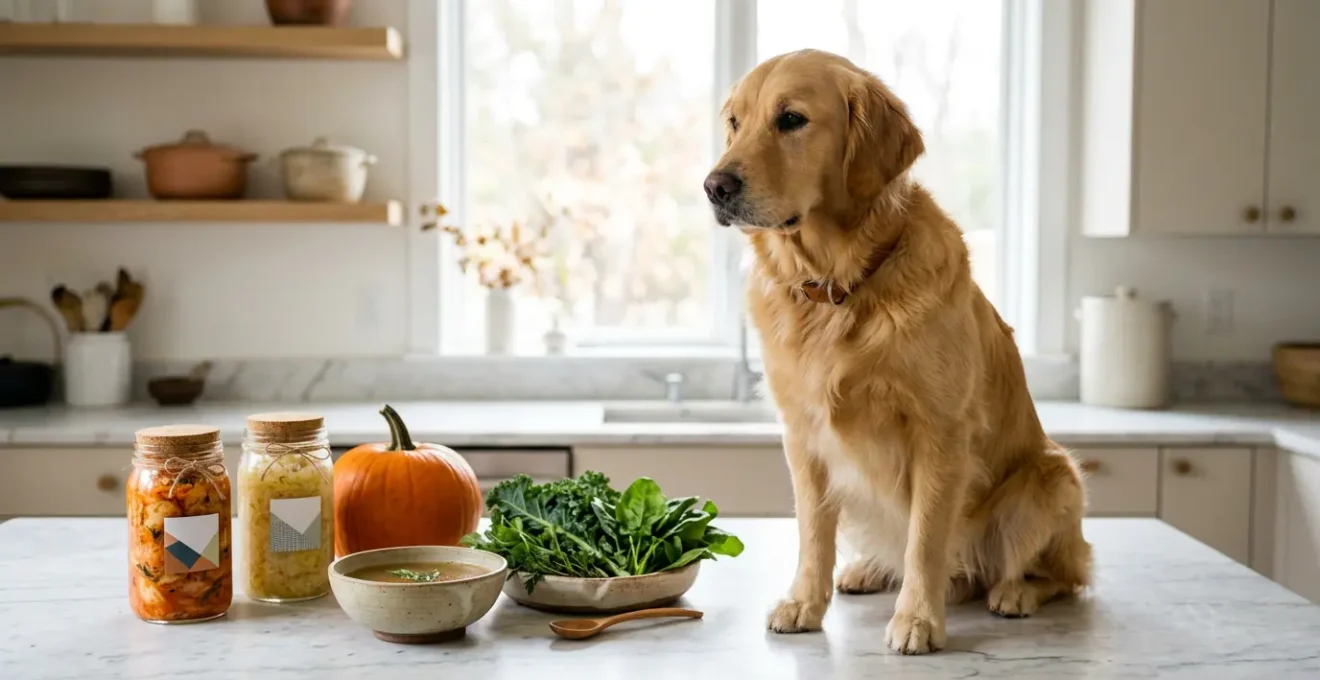
Restoring your dog’s gut after antibiotics requires rebuilding the entire microbial ecosystem, not just adding a probiotic supplement.
- Antibiotic-induced dysbiosis disrupts the gut-brain-immune axis, leading to systemic issues like anxiety, allergies, and metabolic changes.
- A successful recovery protocol involves strategically timed prebiotics, probiotics, and gut-supportive foods to reseed, feed, and heal the intestinal lining.
Recommendation: Adopt a phased approach that supports the gut lining with specific nutrients, introduces beneficial microbes at the right time, and uses diet to foster long-term microbial diversity.
You followed your veterinarian’s instructions to the letter. The course of antibiotics cleared up the infection, but now you’re facing a new set of problems: chronic diarrhea, relentless scratching, or even a sudden spike in anxiety. It’s a frustratingly common scenario for dedicated dog owners. Your dog seems healthy on the surface, but their vitality is gone, replaced by persistent, low-grade issues that disrupt their quality of life—and yours.
The conventional advice often stops at “give them a probiotic” or “switch to a bland diet.” While not incorrect, this advice barely scratches the surface of the damage done. Antibiotics act like a broad-spectrum bomb in your dog’s intestines, wiping out not just the harmful bacteria but also the vast, complex ecosystem of beneficial microbes responsible for everything from digestion to mood regulation. Treating this systemic collapse with a single supplement is like trying to regrow a rainforest by planting a single flower.
The key to true recovery lies in shifting our perspective. We must stop treating the gut as a simple digestive tube and see it for what it is: the command center of your dog’s health. The real path forward isn’t about a quick fix, but about systematically rebuilding this entire internal ecosystem. This involves healing the gut lining, strategically reintroducing the right microbes, and providing the proper fuel to help them thrive.
This guide will walk you through that systematic process. We will explore the deep connection between your dog’s gut, their brain, and their immune system. We’ll differentiate between the tools at our disposal—prebiotics, probiotics, and fermented foods—and clarify exactly how and when to use them. By the end, you will have a comprehensive, evidence-based roadmap to not only reverse the damage but to build a foundation for resilient, long-term health.
Summary: A Holistic Veterinarian’s Protocol for Post-Antibiotic Gut Restoration
- Why Your Dog’s Anxiety Might Be Caused by Poor Gut Health
- Prebiotics or Probiotics: Which One Does Your Dog Actually Lack?
- How to Use Fermented Vegetables to Boost Canine Immunity
- The “Leaky Gut” Signs That Most Vets Miss in Allergy Dogs
- When to Give Probiotics: Before, During, or After Meals?
- Positive Punishment vs. Negative Reinforcement: What Is the Difference?
- Titer Testing: Can You Skip the Booster if Antibodies Are High?
- How to Prevent Food Neophobia in Dogs Through Early Flavor Exposure
Why Your Dog’s Anxiety Might Be Caused by Poor Gut Health
The sudden appearance of anxiety, reactivity, or even aggression after a round of medication can be baffling. Many owners attribute it to the stress of being ill, but the root cause may lie directly in the gut-brain axis. This bidirectional communication pathway means that a distressed gut sends distress signals to the brain, and vice versa. The key chemical messenger in this conversation is serotonin, the “feel-good” neurotransmitter. Groundbreaking research shows that approximately 90% of serotonin is produced in the gut by specific microbes.
When antibiotics eliminate these serotonin-producing bacteria, levels of this crucial neurotransmitter can plummet. This chemical imbalance can manifest as behavioral problems. The link is not just theoretical; studies have drawn a direct line between serotonin and behavior in dogs. For instance, one analysis found that serum serotonin levels were significantly lower in both defensively and offensively aggressive dogs compared to their non-aggressive counterparts. A dog with a compromised gut is, therefore, neurochemically predisposed to anxiety and a lower threshold for stress.
Understanding this connection is the first step toward a holistic solution. Rather than focusing solely on behavioral modification, we must also address the underlying physiological imbalance. Supporting the gut is a direct way to support the brain. During the recovery period, it’s essential to create a calming environment to avoid compounding the physiological stress with psychological stress. This includes:
- Providing calming enrichment activities like puzzle toys to lower cortisol.
- Establishing a highly predictable daily routine.
- Using low-stress mental stimulation like scent work.
- Creating a quiet, safe space for your dog to rest away from household chaos.
By tackling both the gut health and the environmental stressors, we create a comprehensive strategy for restoring not just digestive peace, but mental and emotional balance as well. True behavioral wellness begins in the belly.
Prebiotics or Probiotics: Which One Does Your Dog Actually Lack?
In the rush to repair post-antibiotic damage, the terms “probiotic” and “prebiotic” are often used interchangeably. However, they play distinct and complementary roles in rebuilding the gut ecosystem. Understanding the difference is crucial for a targeted and effective strategy. Think of it this way: probiotics are the beneficial bacteria (the “seeds”), while prebiotics are the specialized fibers that feed those bacteria (the “fertilizer”).
After a course of antibiotics, your dog’s gut is like a barren field. You need to do more than just scatter new seeds; you need to prepare the soil and provide ongoing nourishment. Probiotics introduce new, beneficial microbial strains to repopulate the gut. The most effective probiotics are those that can survive the harsh, acidic environment of the stomach. Yeast-based probiotics like Saccharomyces boulardii are particularly robust and can even be given during a course of antibiotics. Conversely, prebiotic fibers selectively feed the good bacteria, helping them to establish colonies and outcompete any lingering pathogenic microbes.
A truly effective recovery plan includes both. Providing probiotics without prebiotics is like planting seeds in concrete. Providing prebiotics without a healthy base of microbes can sometimes feed the wrong bacteria, leading to gas and bloating. The goal is a synergistic approach: “reseed” with high-quality probiotics and “feed” with a variety of prebiotics. Different prebiotics feed different types of beneficial bacteria, so variety is key to fostering a diverse and resilient microbiome.
This comparative table breaks down the most common types of prebiotics and their specific functions, illustrating why a multi-faceted approach is superior. As this detailed breakdown of prebiotic types explains, each one supports a different aspect of the microbiome.
| Prebiotic Type | Primary Function | Best Used For | Food Sources |
|---|---|---|---|
| FOS (Fructo-oligosaccharides) | Feeds Bifidobacteria | General gut health support | Jerusalem artichoke, chicory root |
| GOS (Galacto-oligosaccharides) | Supports Lactobacilli growth | Immune system support | Legumes, certain root vegetables |
| MOS (Mannan-oligosaccharides) | Binds to pathogens | Post-antibiotic recovery | Yeast cell walls, specialized supplements |
| Inulin | General prebiotic fiber | Long-term microbiome diversity | Jerusalem artichoke, dandelion root |
How to Use Fermented Vegetables to Boost Canine Immunity
While commercial prebiotics and probiotics are powerful tools, we should not overlook one of nature’s most potent sources of both: fermented foods. Foods like sauerkraut, kimchi (dog-safe versions), or kefir are teeming with a wide diversity of live bacterial strains and the organic acids they produce. These byproducts of fermentation, known as postbiotics, have powerful anti-inflammatory and immune-modulating effects, adding another layer of support to the gut recovery process.
Incorporating these foods provides a spectrum of beneficial microbes that is far more diverse than what’s found in most commercial supplements. This diversity is crucial for building a resilient immune system, as approximately 70-80% of the immune system resides in the gut. A gut populated by a wide array of beneficial bacteria is better equipped to identify and neutralize pathogens while correctly identifying harmless substances like food proteins, reducing the risk of allergies.
Case Study: Gradual Introduction for Post-Antibiotic Recovery
A documented case involving a dog named Wally highlights this principle. After a course of antibiotics, Wally struggled to transition back to his normal diet. His owner, following a holistic practitioner’s advice, began incorporating small amounts of liquid from fermented herbal preparations. This gradual introduction of fermented vegetable juices provided a gentle source of beneficial microbes and postbiotics, helping to stabilize his microbiome and allowing him to successfully return to his raw food diet without digestive upset.
The key to using fermented foods is to start slow and use only the juice or brine initially. The fibrous vegetable matter can be too harsh for a compromised gut. The goal is to introduce the beneficial microbes and postbiotics gently. A slow, methodical introduction is essential to avoid digestive upset and allow the gut to adapt.
Safe Introduction Protocol for Fermented Foods:
- Start with just 1 teaspoon of the fermented vegetable juice/brine per day for a medium-sized dog, mixed with their food.
- Ensure the product contains no onions, garlic, excessive salt, sugar, or hot spices. Plain sauerkraut or fermented carrots are excellent starting points.
- If well-tolerated after 3-4 days, gradually increase the amount over a 7-10 day period, working up to 1 tablespoon.
- Monitor stool consistency closely. If stools become loose, reduce the amount or pause for a day before resuming at a lower dose.
- For optimal benefit, serve the fermented juice with a meal that contains fiber, as this provides the prebiotics needed to nourish the newly introduced bacteria.
The “Leaky Gut” Signs That Most Vets Miss in Allergy Dogs
One of the most insidious consequences of antibiotic use is intestinal hyperpermeability, commonly known as “leaky gut.” The gut lining is a tightly regulated barrier, designed to absorb nutrients while blocking undigested food particles, toxins, and pathogens from entering the bloodstream. Antibiotics disrupt the microbes that help maintain this barrier, causing the tight junctions between intestinal cells to loosen. This allows inflammatory molecules to “leak” into circulation, triggering a body-wide immune response that often manifests as skin allergies, ear infections, or food sensitivities.
These symptoms are often treated topically or with more medication, but the underlying gut issue is missed. A key clue is the timing. As veterinary research indicates that new allergic signs can emerge in the 14-30 day period following a course of antibiotics, this strongly suggests a link to gut dysbiosis. The immune system, now on high alert from the constant stream of “invaders” from the gut, starts overreacting to previously harmless environmental or dietary proteins. This systemic inflammation is also driven by deep metabolic changes.
Antibiotic-induced dysbiosis directly affects fat metabolism and metabolic signaling. The shift from secondary back to primary bile acids is one of the most consistent metabolic consequences.
– Bonza Research Team, Evidence-Based Guide on Dog Gut Recovery
This means the body’s ability to process fats and send correct signals is impaired, further fueling inflammation. Healing a leaky gut requires more than just probiotics; it demands specific nutrients that actively repair the intestinal lining. This “sealing” protocol is a critical step that must be undertaken alongside reseeding the microbiome. Without repairing the barrier, you are pouring water into a leaky bucket.
Your Action Plan: The Gut Seal Protocol Checklist
- L-Glutamine: Provide 500mg per 20 pounds of body weight daily. This amino acid is the primary fuel source for intestinal cells, helping them to regenerate.
- Bone Broth: Add 1/4 cup per 25 pounds of body weight to meals. It’s a natural source of collagen, gelatin, and amino acids that soothe and repair the gut lining.
- Demulcent Herbs: Incorporate herbs like Marshmallow root (1/2 teaspoon powdered per 20 pounds) or Slippery Elm (1/4 teaspoon per 10 pounds, mixed into a paste with water) to create a protective, soothing coat over the inflamed gut lining.
- Zinc Carnosine: Supplement with 25mg per 25 pounds of body weight. This compound has been shown to specifically support the health and integrity of the gut barrier.
- Consistency is Key: Continue this gut-sealing protocol for a minimum of 4-6 weeks after finishing antibiotics to give the intestinal lining adequate time to fully heal and restore its barrier function.
When to Give Probiotics: Before, During, or After Meals?
The question of *when* to administer probiotics is just as important as *which* ones to give. The goal is to ensure maximum survivability of the beneficial microbes as they travel through the highly acidic environment of the stomach to reach the intestines where they do their work. The answer depends entirely on the type of probiotic you are using, as different strains have different levels of natural protection.
Regular bacterial strains, such as those in the *Lactobacillus* and *Bifidobacterium* families, are vulnerable to stomach acid. For these probiotics, timing is critical. Giving them with a meal provides a “buffering” effect; the food helps to temporarily neutralize stomach acid, creating a safer passage for the delicate bacteria. Spore-forming probiotics, like *Bacillus subtilis* or *Bacillus coagulans*, are a different story. These bacteria are encased in a tough, natural, seed-like shell (a spore) that protects them from acid, heat, and bile. This means they can be given at any time, with or without food, and will reliably arrive in the intestines intact.
Yeast-based probiotics like *Saccharomyces boulardii* are also naturally resistant to stomach acid and are unique in that they are not killed by antibiotics, making them an excellent choice to use *during* antibiotic therapy to help prevent severe dysbiosis from the start. For multi-strain blends, it is always safest to administer them with the largest meal of the day to maximize the buffering effect for all included strains.
The table below provides a clear guide for timing based on probiotic type. Proper administration ensures you are not wasting your money on supplements that are being destroyed before they can provide any benefit.
| Probiotic Type | Best Timing | Reason | Special Considerations |
|---|---|---|---|
| Regular bacteria strains | With meals | Food buffers stomach acid | Need protection from acid |
| Spore-forming probiotics | Any time | Protected by spore coating | Acid-resistant naturally |
| S. boulardii (yeast) | With or between meals | Survives stomach acid as yeast | Can be given with antibiotics |
| Multi-strain blends | With largest meal | Maximum buffering effect | Split dose if sensitive stomach |
Furthermore, when giving probiotics during antibiotic treatment, spacing is crucial. You must create a “window” of time between the antibiotic dose and the probiotic dose to prevent the medication from killing the supplement. A good rule of thumb is to give the probiotic at the midpoint between antibiotic doses (e.g., if antibiotics are given at 8 AM and 8 PM, give the probiotic at 2 PM).
Positive Punishment vs. Negative Reinforcement: What Is the Difference?
When a dog’s behavior changes for the worse after being sick, our instinct can be to correct the new, undesirable actions. However, when these behaviors—like anxiety, fear, or reactivity—are rooted in the physiological distress of the gut-brain axis, traditional training methods can backfire spectacularly. It is vital to understand the difference between training approaches and to choose a path of compassion and management, not correction.
Positive punishment involves adding something unpleasant to stop a behavior (e.g., a leash pop, a spray from a bottle, a harsh “No!”). Negative reinforcement involves removing something unpleasant to increase a behavior (e.g., releasing pressure on a collar once a dog sits). While both are staples of old-school training, applying punitive methods to a dog whose brain chemistry is out of balance due to gut dysbiosis is not only unfair, it is counterproductive. It adds psychological stress on top of existing physiological stress, which can further damage the gut and worsen the behavior, creating a vicious cycle.
A dog growling at a visitor might not be “dominant”; they may be experiencing a serotonin deficit that makes them incapable of coping with the stimulus. A dog that is suddenly noise-phobic is not being “dramatic”; their nervous system may be on high alert due to gut-fueled inflammation. Punishing these behaviors is like punishing someone for crying when they are in pain. It doesn’t address the source of the pain and only erodes trust.
The holistic approach during this recovery period is to focus on management and positive reinforcement. This means managing the environment to prevent the dog from being pushed over their threshold (e.g., avoiding crowded places) and rewarding calm, relaxed behavior, no matter how small. Instead of correcting a growl, we manage the situation to prevent the need to growl in the first place. This empathetic approach supports their mental state while you work on healing the physical root cause of the problem in their gut.
Titer Testing: Can You Skip the Booster if Antibodies Are High?
As we build a holistic recovery plan, we must consider every potential stressor on the dog’s body. After the immune system has been compromised by antibiotics and is working overtime to deal with inflammation from a leaky gut, the last thing we want to do is overload it unnecessarily. This is where a strategic approach to vaccination comes in, and titer testing is our most valuable tool.
A titer test is a simple blood test that measures the level of antibodies a dog has against a specific disease (like distemper or parvovirus). If the antibody levels are sufficient, the dog is considered protected, and a booster vaccine for that disease is not medically necessary at that time. A vaccine’s purpose is to stimulate an immune response; if a protective immune response is already present, re-vaccinating is redundant and places an avoidable burden on the immune system.
For a dog recovering from a systemic assault like antibiotic therapy, this is not a minor consideration. Their immune system, with its command center in the gut heavily damaged, is already in a state of flux. Asking it to mount a massive response to a vaccine can divert critical resources away from healing the gut lining and re-establishing microbial balance. It can even exacerbate the existing inflammation and allergic symptoms.
Opting for a titer test instead of automatically giving a booster is an act of intelligent immune management. It allows us to make an evidence-based decision, ensuring the dog is protected from infectious diseases without adding unnecessary stress to a body that is already working hard to recover. It’s a cornerstone of a truly integrative approach, aligning with the principle of “first, do no harm” and prioritizing the body’s overall healing capacity. This is especially critical for dogs with a history of allergies or autoimmune issues, as their immune systems are already predisposed to overreacting.
Key Takeaways
- Post-antibiotic recovery is about rebuilding a whole ecosystem, not just adding a single supplement. It requires a multi-step, systematic approach.
- The gut-brain-immune axis is a real, powerful force. Gut disruption directly impacts your dog’s mood, anxiety levels, and allergic responses.
- A truly effective protocol must include three phases: healing the gut lining (sealing), introducing diverse microbes (seeding), and nourishing them with the right foods (feeding).
How to Prevent Food Neophobia in Dogs Through Early Flavor Exposure
One of the more subtle but frustrating side effects of long-term gut dysbiosis is the development of food neophobia, or the fear of new foods. A dog that once ate eagerly may suddenly become a “picky eater,” turning their nose up at anything outside of a very narrow range of familiar items. This isn’t a behavioral quirk; it’s often a direct consequence of a depleted microbiome.
A diverse gut microbiome contains a wide variety of bacterial species, each specialized in breaking down different types of nutrients. When a dog’s diet is varied, this microbial community thrives. However, after antibiotics wipe the slate clean, the few remaining or newly introduced species may only be capable of digesting a limited range of foods. As one case analysis showed, dogs with low microbial diversity post-antibiotics often showed a reluctance to try new foods simply because their gut was not equipped to process them, leading to discomfort. The dog learns to associate new foods with digestive upset and begins to avoid them.
The solution is to proactively and gradually expand their palate as their gut heals, using a “flavor map” protocol. This involves slowly reintroducing a wide variety of gut-friendly foods, which in turn encourages the growth of a more diverse and resilient microbiome. You are not just feeding your dog; you are actively cultivating their internal garden to be able to handle a wider array of nutrients in the future.
This process builds metabolic flexibility and prevents the dog from getting “stuck” on a single food. It’s a long-term strategy for resilience. The more diverse their diet, the more diverse and robust their microbiome will become, making them less susceptible to digestive issues down the line.
The Gut-Friendly Flavor Map Protocol:
- Weeks 1-2: Begin with highly digestible, soothing items. This includes plain pumpkin puree and homemade bone broth, which are gentle on the healing gut.
- Week 3: Introduce the concept of fermentation with 1 teaspoon of fermented vegetable juice (like from plain sauerkraut) to provide novel microbes.
- Week 4: Add small amounts of well-cooked, soft orange vegetables like carrots or sweet potatoes, which are rich in beta-carotene and gentle fibers.
- Week 5: Incorporate lightly steamed green vegetables such as broccoli florets or green beans for different types of prebiotic fibers and phytonutrients.
- Week 6 and beyond: Begin rotating between 3-4 different novel protein sources (if tolerated), introducing one new protein at a time to build metabolic flexibility.
By adopting this holistic, ecosystem-focused approach, you are moving beyond simply masking symptoms. You are addressing the root cause of your dog’s post-antibiotic issues and empowering their body to heal from the inside out. For a comprehensive wellness strategy, the next logical step is to partner with your veterinarian to create a personalized plan that integrates these principles into your dog’s ongoing care.